
About
Antibody medicines for complex biology.

What if antibodies could do more than block biology?
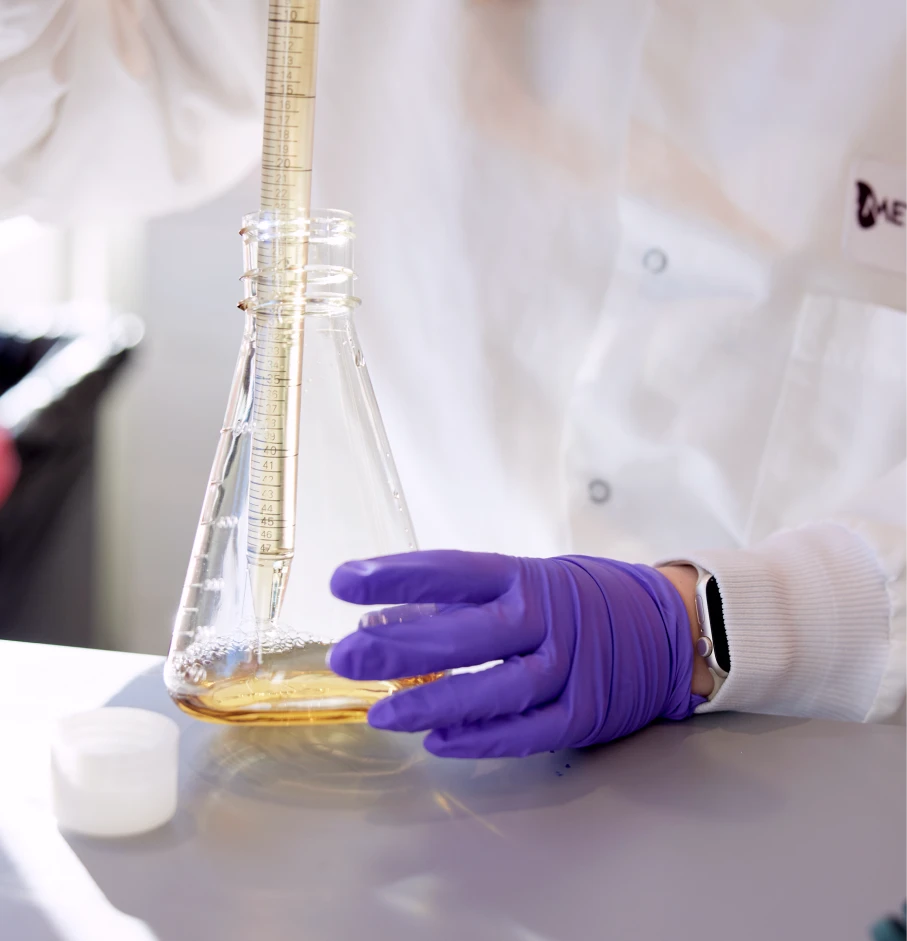
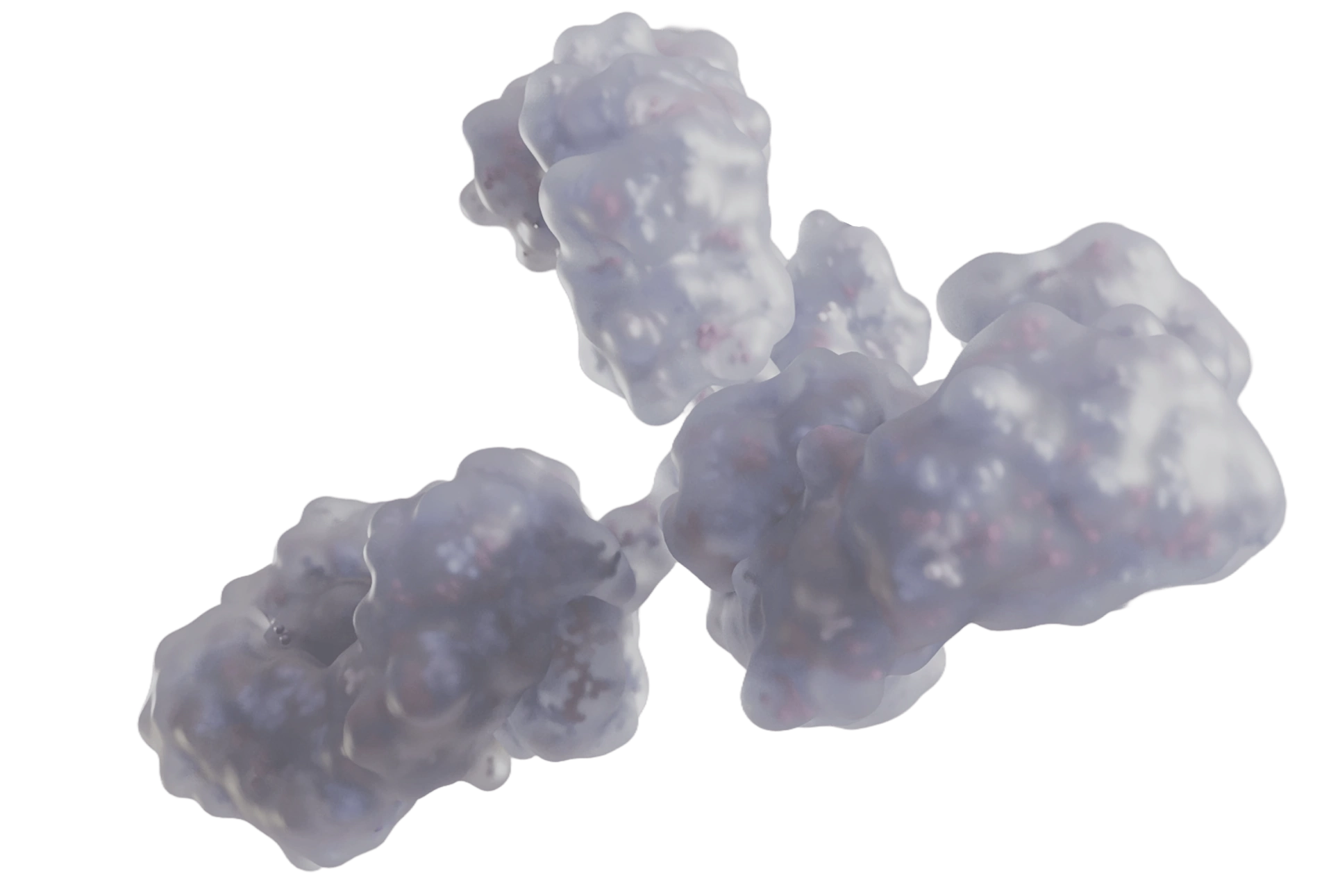
Antibodies have transformed medicine, but mostly by doing one thing remarkably well: blocking biology. That approach has helped many patients, but it leaves much of their therapeutic potential untapped.
Our antibodies are designed to do more than block. They can activate targets, precisely tune downstream signaling, engage multiple targets, or coordinate distinct therapeutic actions through a single binding site. We optimize these functions alongside the properties a medicine requires, including potency, selectivity, stability, and duration of effect.
Founded by Flagship Labs, the innovation foundry of Flagship Pioneering, Metaphore is expanding what antibodies can be designed to do, creating new therapeutic possibilities for diseases where blocking alone is not enough.
Leadership Team

Angela Hwang
Angela Hwang
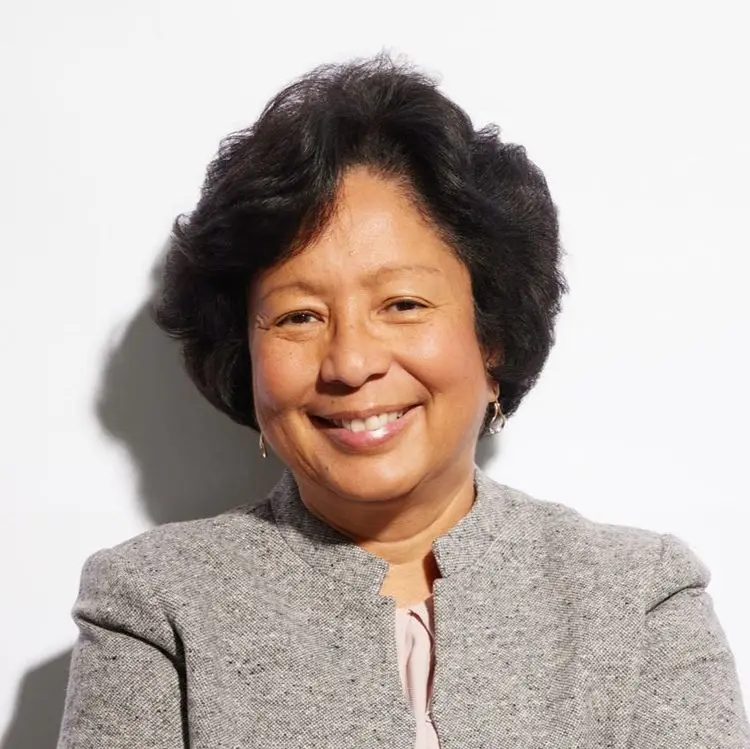
Angela Hwang joined Flagship Pioneering in 2025 as CEO-Partner and CEO of Metaphore Biotechnologies. Angela brings three decades of experience at Pfizer, where she held senior leadership roles, including most recently as a member of Pfizer’s executive leadership team, serving as Chief Commercial Officer and President of the Global Biopharmaceuticals Business. Angela’s teams brought nearly 600 critical therapies in oncology, internal medicine, rare diseases, inflammation and immunology, vaccines and hospital injectables to patients across 185 countries. She has led many groundbreaking product launches during her career, including the world’s first COVID-19 vaccine and oral antiviral treatment, and executed dozens of business development deals to grow and expand Pfizer’s portfolio.
Angela currently serves on the Board of Directors of UPS. She is also a member of the Board of Trustees of Cornell University and a board member of Apriori Bio, an innovative vaccines company.
Consistently recognized for her leadership, she has been ranked among the world’s top leaders in healthcare and business. Angela was named to Fierce Pharma’s Fierce 50 list in 2025 and selected by CNBC as a Changemaker in Business in 2024. In 2023, she was recognized as an Ascend A-List Honoree for her professional achievements as an Asian American leader. Fortune named her as one of The Most Powerful Women in Business four years in a row from 2020 to 2023. Cornell University named her a Robert S. Hatfield Economic Fellow in 2022. In 2021, she received The President’s Award from the National Diversity Council and was also named an A100 Honoree, which recognizes the most impactful AAPI leaders.
Angela received a B.S. in Microbiology from the University of Cape Town and an MBA from Cornell University.
Anabella Villalobos, PhD
Anabella Villalobos, PhD
Anabella Villalobos joined Metaphore in 2025 as Chief Scientific Officer.
Anabella brings more than 30 years of drug discovery and development experience to Metaphore. She most recently served as Senior Vice-President, Head of Biotherapeutics and Medicinal Sciences at Biogen, where she was responsible for the delivery of differentiated drug candidates for neurological, rare, and auto-immune diseases across multiple modalities, including small molecules, biologics, oligonucleotides, and gene therapy. Prior to Biogen, she spent 28 years at Pfizer in positions of increasing responsibility, including most recently as Vice President of Medicinal Synthesis Technologies and Neuroscience Medicinal Chemistry. As a leader, her group at Pfizer was instrumental in the discovery of Ogsiveo® (nirogacestat), tavapadon, and other first-in-class therapeutics. She serves on the Board of Directors for Coya Therapeutics.
Anabella obtained her B.S. in Chemistry at the University of Panama and her Ph.D. in Medicinal Chemistry at the University of Kansas where she was a Fulbright-Hayes fellow. She was a National Institutes of Health Postdoctoral Fellow at Yale University in synthetic organic chemistry for two years.

Marcin Paduch, PhD
Marcin Paduch, PhD
Marcin is Vice President, Platform Discovery at Metaphore. He is a trained structural biologist and protein engineer bringing a passion for blending multidisciplinary science and technology. Marcin has a long track record of innovation and has led diverse teams in high-impact research collaborations, formulating successful strategies for drug discovery campaigns, and fast-tracked preclinical development. He has developed several high-throughput, data-driven drug discovery platforms, ranging from biotherapeutics, including cell therapies, to small molecules.
Before joining Metaphore Bio, Marcin served as an Executive Director at Xilis, where he developed workflows for drug screening and mechanism of action optimization in organotypic cell culture and patient-derived tumor organoids. Before that, he led technology development efforts at Arsenal Bio, the first programmable cell therapy company, advancing logic gate CAR-T programs through the clinic, System1 neuroscience startup developing therapeutics in cerebral organoid models reinventing neuro drug discovery, and Grail, where he worked on developing the Galeri multicancer early detection test, which is expected to dramatically improve the current paradigms of cancer diagnostics and management.
Before working at Silicon Valley startups, Marcin spent nearly a decade as a director serving multiple industrial consortia and developing a portfolio of next-generation, antibody-based cancer therapies backed by major pharma companies. Marcin holds a PhD from the University of Wroclaw in biochemistry and molecular biology and a Master of Science in biotechnology.
Paul Weinreb, PhD
Paul Weinreb, PhD
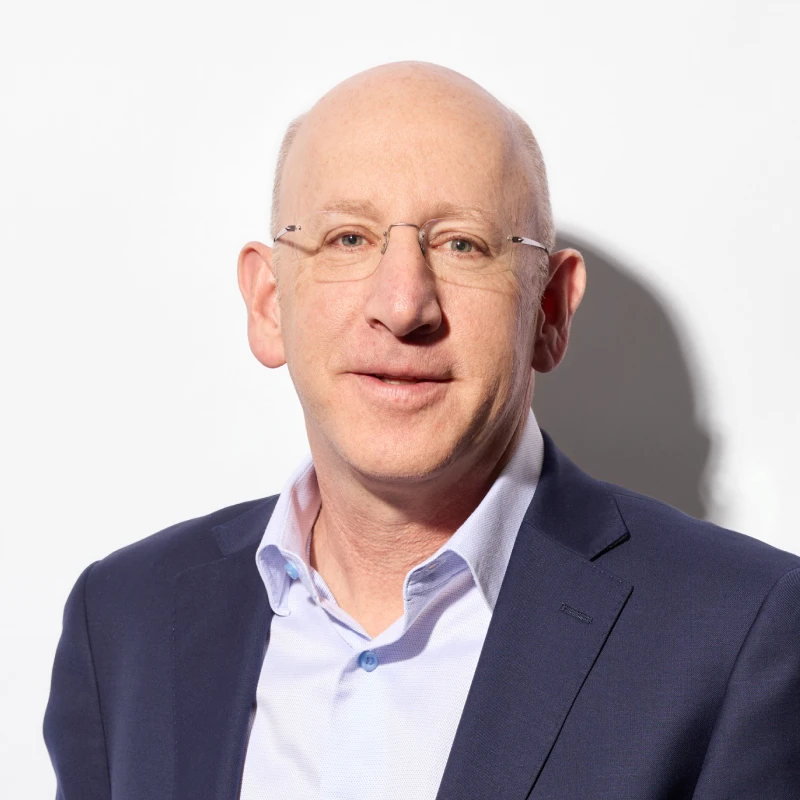
Paul Weinreb joined Metaphore in November 2025 as SVP of Biotherapeutics and Enabling Technologies.
Paul brings extensive biologics drug discovery experience in the biopharma industry and has contributed to identifying and advancing multiple antibody-based therapeutics that entered clinical development in the fields of neurodegeneration, fibrosis, and autoimmune disease. Prior to joining Metaphore, Paul spent 26 years at Biogen in positions of increasing responsibility, including most recently as the head of the Biologics Drug Discovery department, Biogen’s protein therapeutics modality unit, where he provided leadership to programs across all phases of Discovery and to early-stage clinical and commercial programs.
At Biogen, Paul led drug discovery activities for programs in Alzheimer’s and Parkinson’s diseases, fibrosis, rare diseases, and autoimmune disorders. He is a co-inventor and led drug discovery efforts on multiple programs that entered clinical development, including aducanumab (Aduhelm), the first approved treatment shown to reduce b-amyloid pathology in Alzheimer’s Disease, and antibodies to tau, alpha‐synuclein, and avb6 integrin. He also built and led a team dedicated to developing novel methods to enhance the delivery of therapeutic modalities (proteins/antibodies, oligonucleotides, and gene therapies) to tissues, including the brain.
Paul received B.S. and M.S. degrees in Chemistry from Penn State, a Ph.D. in Chemistry from the Massachusetts Institute of Technology, and was a National Institutes of Health postdoctoral fellow at Harvard Medical School. He has coauthored more than 85 scientific papers, including high-profile publications in Science and Nature, and is an inventor on more than 20 issued US patents.

Mike Turner, PhD
Mike Turner, PhD
Michael Turner is an experienced researcher and biotechnology executive with more than 20 years of broad immunology experience across immuno-oncology, inflammation/autoimmune and allergy. Prior to joining Metaphore Bio, Michael was the Vice President of Immunology at TuHURA Bioscience and Third Harmonic Bio as well as Vice President of Exploratory Biology/Immunology at Ventus/SMOC Therapeutics. His early career was spent at Sanofi Genzyme and Alkermes Inc where he contributed to multiple IND submissions and the successful approvals of LemtradaTM and VumerityTM, both for the treatment of Relapsing Multiple Sclerosis (RMS).
Michael received his PhD at the University of Rochester in the Department of Microbiology and Immunology with Dr. John Frelinger, focusing on tumor immunotherapy. He continued his training as a Postdoctoral Fellow studying T cell biology and immune tolerance at the University of Connecticut Health Center as a Ruth L. Kirschstein NIH Postdoctoral Fellow in the laboratory of Dr. Leo Lefrancois.
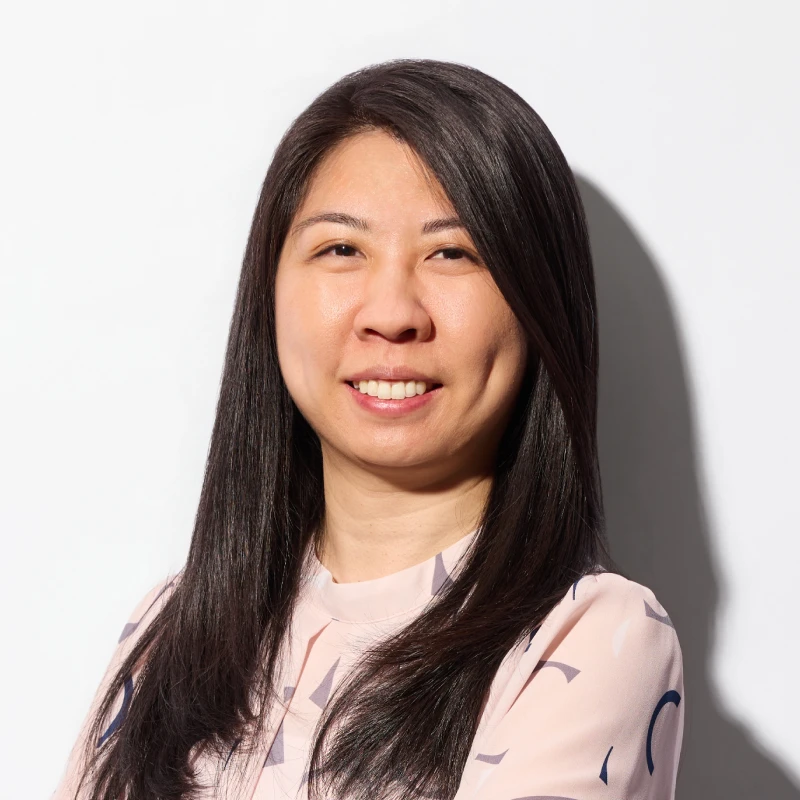
Tiffany Chen, PhD
Tiffany Chen, PhD
Tiffany Chen joined Metaphore as Vice President of Operations and Portfolio Strategy, where she leads portfolio governance, operational strategy, and cross-functional execution to advance the company’s pipeline and maximize asset value. She brings extensive experience in therapeutic discovery and development, with a strong track record of advancing programs from early discovery through IND and into the clinic, alongside expertise in portfolio prioritization and organizational leadership.
Prior to joining Metaphore, Tiffany was Vice President of Discovery at GentiBio, where she led the company’s engineered Treg pipeline across autoimmune and inflammatory diseases. She played a central role in shaping portfolio strategy, overseeing resource allocation and governance, and presenting recommendations to executive leadership and the Board to inform decision-making. She served as program lead for a strategic partnership with Bristol Myers Squibb focused on inflammatory bowel disease. In addition, she built the company’s non-dilutive funding engine, securing multiple competitive grants. Across her roles at GentiBio and earlier at Rubius Therapeutics, Tiffany has contributed to the advancement of multiple programs through key regulatory milestones, including IND-enabling studies, regulatory interactions, and IND submissions. At Rubius, she helped build and scale the discovery organization, establishing and integrating cross-functional capabilities across cell sciences, protein sciences, and therapeutic area teams. She led collaborative, matrixed teams and implemented processes that enabled effective cross-functional execution, and served as program lead for an immuno-oncology asset that advanced to IND and into the clinic.
Tiffany is a trained protein engineer and holds a Ph.D. in Biological Engineering from the Massachusetts Institute of Technology and a B.S. in Biomedical Engineering from the University of Texas at Austin. She is an inventor on multiple patents and has authored numerous scientific publications in leading journals.
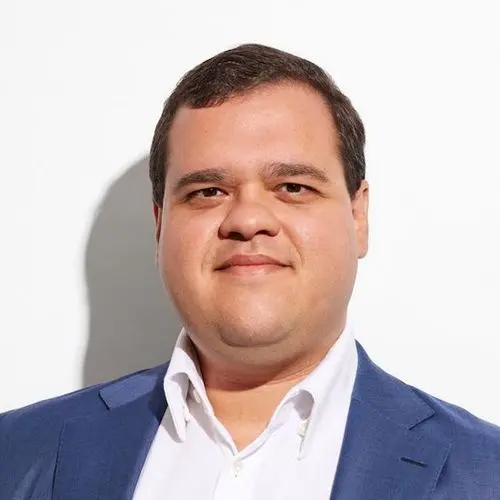
Chaz Hinzman, PhD
Chaz Hinzman, PhD
Chaz Hinzman is Vice President and Head of Corporate Strategy at Metaphore, where he leads enterprise and capital strategy, including long-range vision and investor engagement. He partners closely with the CEO and Board of Directors to shape the company’s strategic direction and guide key decisions.
Chaz brings extensive experience across company building, investing, and capital markets. Prior to Metaphore, he was a Principal at Flagship Pioneering, where he worked on the creation and growth of several platform biotechnology companies. Before Flagship, he served in several roles across investment banking and private equity, where he led investments and supported financings for clinical-stage life sciences companies across public and private markets.
Chaz holds a PhD in Biochemistry and Molecular Biology from Georgetown University and a BA in Economics from the University of Missouri.
Board of Directors
Lovisa Afzelius, PhD, MBA
Lovisa Afzelius, PhD, MBA
Lovisa Afzelius is a general partner at Flagship Pioneering and leads one of Flagship’s Business Units. A computational scientist by training, she brings to Flagship two decades of leadership experience and a passion for data-driven drug discovery. Lovisa has served as CEO, co-founder, president, board chairman, and executive director, in emerging biotech and large pharma companies. She joined Flagship as an origination partner in early 2020, leading innovation as founding CEO of Alltrna, founding CEO and board chair of World Economic Forum 2023 Technology Pioneer Apriori Bio, co-founder and founding CEO of Metaphore Biotechnologies, and co-founder and CEO of Prologue Medicines.
Previously, Lovisa built and led Pfizer’s systems immunology function and served as executive director of clinical programs. In this role, she launched several Phase II studies across autoimmune indications and as a member of the Inflammation & Immunology Research Unit leadership team, Lovisa co-managed the portfolio from early target discovery to Phase II clinical trials across all immunological assets leading to several drugs currently on the market. In addition, she served on Pfizer’s Worldwide R&D Data Strategy Committee.
Lovisa serves on the board of the Swedish New England Chamber of Commerce. Before moving to the US in 2013, Lovisa was CEO of BioChromix Pharma. In 2017, Lovisa co-founded Elsa.science, a digital health company in the rheumatoid arthritis space where she also served as a board member. She began her career at AstraZeneca as Project Director, Global In Vitro Metabolism Leader and Computational Chemist across cardiovascular, metabolic, and neurodegenerative diseases.
Lovisa has received numerous accolades for her work: In 2024, she was recognized on Inc. Magazine’s Female Founders 250 List, in 2023, she was named to the PharmaVoice 100 list of life science industry leaders, and in 2022, she was named one of the Top Women in Biopharma by Endpoints. She was included in the top 100 “most influential persons under age 40 in Sweden” by Affärsvärlden, and awarded “scientist of tomorrow” at the European Federation of Pharmaceutical Industries and Associations’ 30th anniversary. Lovisa received the Rosenön Award for best thesis of the year within the field of pharmacodynamics/pharmacokinetics in Sweden.
Lovisa holds a PhD in computational chemistry from Uppsala University, a Master of Science in integrative pharmacology from Gothenburg University as well as an MBA from the MIT Sloan School of Management.
Frank D’Amelio, MBA
Frank D’Amelio, MBA
Frank D’Amelio brings more than four decades of experience in corporate finance, global operations, business development, and company building. He served as executive vice president and chief financial officer of Pfizer, where he oversaw all corporate finance functions and, at various points, information technology, procurement, real estate, business development, and global supply.
During his tenure at Pfizer, Frank led acquisitions, integrations, and partnerships valued at nearly $200 billion, including the acquisitions of Wyeth, Hospira, King Pharmaceuticals, Anacor, Medivation, and Array. He also led the separation of Zoetis, the sales of Pfizer’s nutrition and Capsugel businesses, the formation of its consumer healthcare joint venture with GSK, and the formation of Viatris with Mylan. From 2018 through 2021, his global supply responsibilities included manufacturing and distribution of Pfizer’s COVID-19 vaccine.
Before joining Pfizer, Frank served as senior executive vice president of integration and chief administrative officer of Alcatel-Lucent, overseeing integration following the companies’ merger. Earlier, he held financial and operating leadership roles at Lucent Technologies, including chief financial officer and chief operating officer. He helped establish Lucent as an independent company following its separation from AT&T and supported its initial public offering. He began his career at Bell Labs in 1979.
Frank serves on the boards of Humana, Zoetis, Hewlett Packard Enterprise, Viatris, Sail Biomedicines, and EntityRisk. He also serves as a strategic advisor to Formation Bio.
David Darst, MBA
David Darst, MBA
David Darst joined Flagship Pioneering in 2025 as a Growth Partner, helping to grow and scale several portfolio companies by working with leaders throughout the ecosystem on long-term value creation strategy, financing, business development, partnerships, and organizational development.
Before joining Flagship, he was Chief Operating Officer and Chief Financial Officer for Inspirna, a company he co-founded, where he led financing, business and corporate development, and drug development efforts. In this role, he was responsible for implementing the company’s strategic and operational objectives through its intellectual property generation and prosecution, licensing activities, budgeting, and cross-functional CMC, nonclinical, and clinical efforts.
Prior to joining Inspirna, he was a venture capitalist at OrbiMed Advisors. There, he invested in leading private and public companies developing therapeutics for life-threatening and debilitating disorders, several of which went on to achieve FDA approvals and commercial success.
David was also a co-founder, EVP, and Director of Potentia Pharmaceuticals, which was acquired by its spin-out company Apellis Pharmaceuticals (NASDAQ: APLS). Apellis developed a first-in-class complement inhibitor, which is FDA approved for the treatment of geographic atrophy secondary to age-related macular degeneration and paroxysmal nocturnal hemoglobinuria.
David earned an M.B.A. from Harvard Business School and a B.A., cum laude, from Harvard College. He is a former Director of the Alliance for Cancer Gene Therapy (ACGT) and sits on the Rockefeller University Advisory Council.
Pascal Deschatelets, PhD
Pascal Deschatelets, PhD
Pascal Deschatelets is a scientist, inventor, and biotechnology entrepreneur who has helped build companies around novel therapeutic approaches. He co-founded Potentia Pharmaceuticals and Apellis Pharmaceuticals. At Apellis, he served as the initial chief operating officer and later as chief scientific officer, helping build the organization and advance two first-in-class medicines, including SYFOVRE, the first FDA-approved treatment for geographic atrophy. He earned a Ph.D. in organic chemistry from the University of Montreal and completed postdoctoral training in George Whitesides’ laboratory at Harvard University.
Scientific Advisory Board
Anthony M. Manning, PhD
Anthony M. Manning, PhD
Anthony M. Manning, Ph.D., is a drug discovery and biotechnology leader with a 30-year career in the pharmaceutical and biotechnology industry. He has led the discovery and development of multiple therapeutics, contributing to the approval of three drugs for the treatment of autoimmune diseases. As Chief Scientific Officer at Momenta Pharmaceuticals, he built a pipeline of first-in-class therapeutics, including discovery of FDA-approved Imaavy™, a best-in-class anti-FcRn antagonist, and contributed to the company’s acquisition by Johnson & Johnson for $6.5 billion. Earlier in his career, Dr. Manning led research and drug discovery organizations at Biogen Idec, Roche Pharmaceuticals, Pharmacia Corp., and several venture-backed biotechnology companies. He also serves as a Board Director at Monte Rosa Therapeutics (Nasdaq: MRTX) and Cyrus Biotechnologies, Chairman of the Institute for Biomedical Entrepreneurship, and an advisor to several biotechnology companies, the Harvard Medical School Therapeutics Initiative, and the Blavatnik Biomedical Accelerator at Harvard. His contributions include more than 120 scientific publications and patents in autoimmune disease research, drug discovery, and novel therapeutics.
Morris J. Birnbaum, MD, PhD
Morris J. Birnbaum, MD, PhD
Morris J. Birnbaum, M.D., Ph.D., is a physician-scientist whose work has focused on metabolic regulation and related chronic disease across academic and pharmaceutical research settings. As a faculty member at Harvard Medical School, the Perelman School of Medicine at the University of Pennsylvania, and the Howard Hughes Medical Institute, Dr. Birnbaum led studies related to insulin signaling and resistance, the regulation of glucose transport and lipid synthesis, and muscle metabolism. At Pfizer, Dr. Birnbaum served as Senior Vice President and Chief Scientific Officer of Internal Medicine, where he was responsible for the discovery and early clinical development of drugs designed to treat diseases such as diabetes, obesity, heart failure and cachexia. Dr. Birnbaum earned an A.B., Ph.D., and M.D. from Brown University and completed an Internal Medicine residency at Barnes Hospital at Washington University in St. Louis, followed by postdoctoral training at the University of California, San Francisco, and Sloan-Kettering Institute in New York.
Enoch S. Huang, PhD
Enoch S. Huang, PhD
Enoch S. Huang, Ph.D., is a computational biology and machine learning research leader whose career has focused on applying computational methods to target selection, compound design, protein structure prediction, and drug discovery. After beginning his computational biology career at Cereon Genomics, Dr. Huang joined Pfizer R&D in 2000. In 2001, he was appointed Head of Molecular Informatics and joined the site leadership team. In 2007, he accepted a global role as Head of Computational Sciences, where he was responsible for developing new computational methods for target selection and compound design. In 2019, Dr. Huang was promoted to Vice President and charged with leading the computational biology discipline for Pfizer R&D. In 2022, the remit of the group expanded to include the formation of a new Machine Learning Research group for R&D. Dr. Huang retired from his full-time role at Pfizer in 2025, but continues to advise the Pfizer Digital organization and the new AI Center within Internal Medicine on a part-time basis. He is currently a Mentor-in-Residence at the Roux Institute of Northeastern University and was an Adjunct Assistant Professor of Bioinformatics at Boston University from 2001 to 2023. He has served on editorial boards for Drug Discovery Today and Chemical Biology & Drug Design, as well as advisory boards for Brandeis University, Princeton Biomedical Data Science, the International Society for Computational Biology, the NIH “Illuminating the Druggable Genome” program, the Rochester Institute of Technology, and the Minnesota Supercomputing Institute. He has also served on program committees at the New York Academy of Sciences and the Massachusetts Biotechnology Council, as well as on NIH study sections. Dr. Huang has authored more than 30 publications and released the open-source software package PFAAT. Dr. Huang earned an A.B. in Molecular Biology from Princeton University and a Ph.D. in Structural Biology from Stanford University, where he was an NSF Pre-doctoral Fellow with Prof. Michael Levitt, followed by a Jane Coffin Childs Fellowship at Washington University School of Medicine.
Ben Lehner, PhD
Ben Lehner, PhD
Ben Lehner, Ph.D., is Head of Generative Genomics at the Wellcome Sanger Institute in Cambridge, group leader at the Centre for Genomic Regulation (CRG) in Barcelona, Honorary Professor of Biochemistry at the University of Cambridge, and founder and chief scientific advisor at ALLOX. The goal of the Generative Genomics programme is to combine data production at scale with AI/machine learning to accelerate the ability to understand, predict, engineer, and therapeutically modulate biological systems. Toward this goal, his lab has developed and scaled methods to quantify the effects of millions of sequence variants on the properties of proteins and RNAs, including their stability, aggregation, binding affinities and specificities, expression, and long-range energetic coupling, or allostery. His previous research has addressed foundational questions in genetics, including why genetically identical individuals are not identical, how the physiology and environment of one generation alters subsequent generations, why mutations occur at different rates in different genes, and how mutations interact to alter the activities of molecules and the characteristics of individuals. His research has been recognized by multiple prizes, including the EMBO Gold Medal, the Bettencourt Prize for Life Sciences, the Eppendorf Award, the Balfour Prize, and the King Jaume I Prize. He is a Fellow of the Academy of Medical Sciences and a Fellow of the Royal Society.
Peter M. Tessier, PhD
Peter M. Tessier, PhD
Peter M. Tessier, Ph.D., is the Albert M. Mattocks (Endowed) Professor in the Departments of Chemical Engineering, Pharmaceutical Sciences, and Biomedical Engineering at the University of Michigan, where he is also a member of the Biointerfaces Institute and Chemical Biology Program. His research focuses on therapeutic antibody engineering and brain drug delivery using novel experimental and computational methods, with the long-term goal of improving the treatment of human disorders ranging from cancer to neurodegenerative diseases. Dr. Tessier started his independent career as an assistant professor in the Department of Chemical & Biological Engineering at Rensselaer Polytechnic Institute in 2007 and was an endowed full professor at Rensselaer before moving to the University of Michigan in 2017. He has received several awards and fellowships in recognition of his work, including the Pew Scholar Award in Biomedical Sciences, Humboldt Fellowship for Experienced Researchers, Young Scientist Award from the World Economic Forum, Young Investigator Award from the American Chemical Society, and CAREER Award from the National Science Foundation. Dr. Tessier received his Ph.D. in Chemical Engineering from the University of Delaware, where he was a NASA Graduate Fellow, and completed postdoctoral studies at the Whitehead Institute for Biomedical Research at MIT, where he was an American Cancer Society Fellow.
